

Blog
Common Dental Problems in Cats
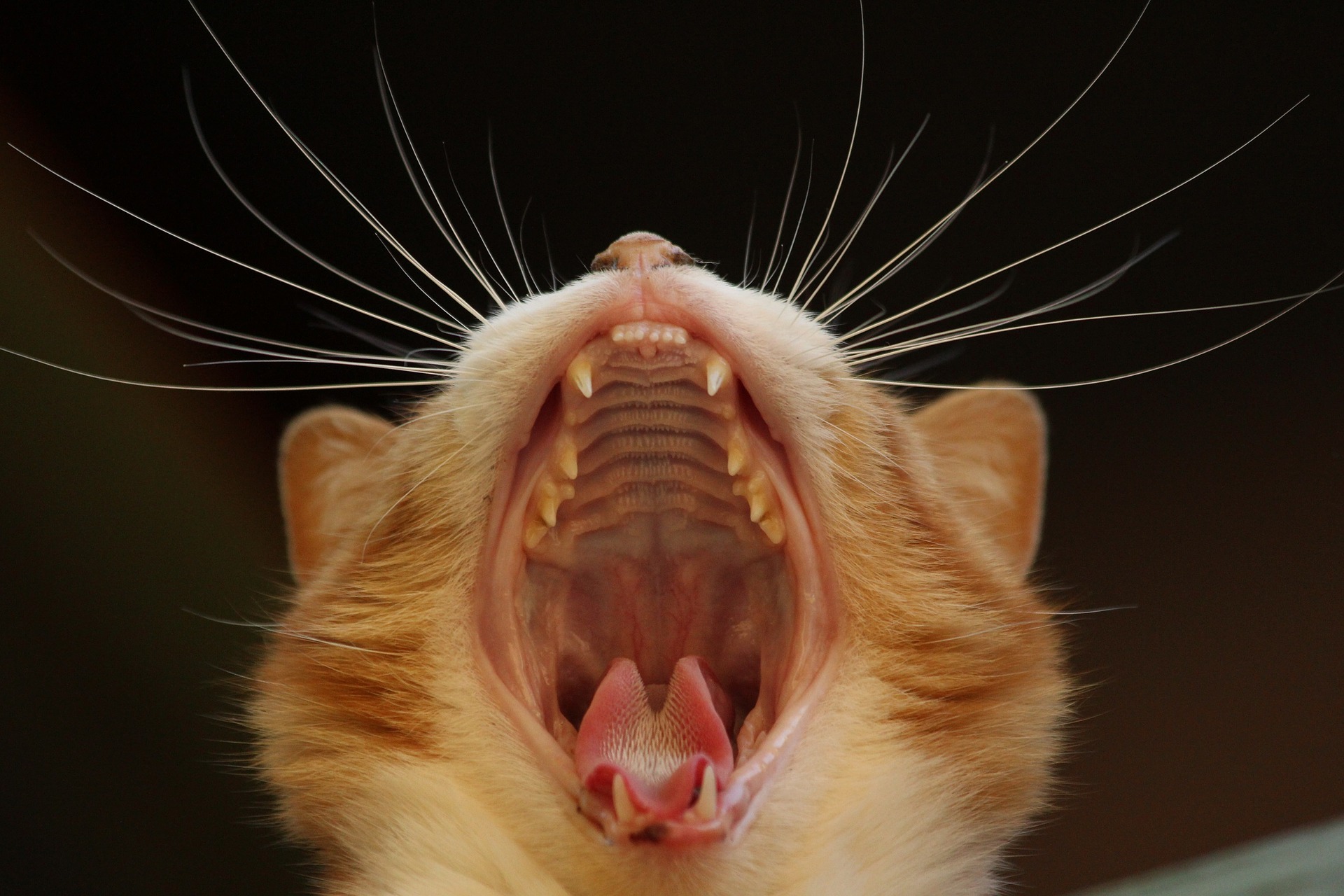
When you chose to adopt a cat, you are signing up to a lot of responsibilities. Proper nutrition, mental and physical stimulation, and maintaining her health are just some of the day to day things that you will have to think about. However, they are also some of the most obvious. When it comes to slightly less well-known aspects of feline care, looking after your cat’s teeth often makes the list.
Your cat’s teeth
Dental problems are just as likely to affect cats as they are any other mammal, and statistics show that around 8 in every 10 cats will experience issues with either their teeth, gums or both by the time they are three years old.
Your cat relies on her teeth for both biting and chewing her food and also killing and holding any prey that she might catch when roaming outdoors. If her dental health is compromised in any way, she may lose her ability to eat properly, and could potentially feel vulnerable without one of her sharpest weapons at her disposal.
Your kitty’s dental health can also have an impact on her overall wellbeing. Many studies show that there is a link between oral problems and general health conditions including diabetes, cardiovascular disease, and even some oral cancers.
How to recognize that there is something wrong with your feline’s teeth
Unfortunately, your cat is unable to tell you when she is experiencing a dental problem. Nevertheless, she can show you, and she will do this by exhibiting certain behaviors that she expects you to identify as referring to her dental health. These could include:
Foul-smelling breath
Pawing at her mouth
Obvious pain in her mouth or head
Loss of appetite
Excess saliva production
Eating differently than usual, such as an odd posture
Avoiding having her face or mouth touched
Common dental problems that can affect cats
There are a range of different dental problems that can affect felines, although some are more common than others. Some of the issues that your pet is most likely to experience are as follows.
Periodontal disease
Periodontal disease is the single most common condition affecting domestic cats and dogs, and it is evident in most felines by the time they are three. It occurs when bacteria present on her teeth penetrates below her gums and causes redness and irritation.
At this point, you may notice your kitty’s gums are red, swollen, and possibly bleeding from time to time. Unfortunately, periodontal disease can progress if not treated early, and more serious symptoms include abscesses, foul breath, significant pain and tooth loss. Infection can also spread to other parts of your cat’s body, affecting her major organs and systems.
Periodontal disease may be progressive, but if caught early it can be halted and some of the initial symptoms reversed. Our veterinarian will be able to advise which stage of periodontal disease your cat has and what treatment is available.
Tooth resorption
Another progressive condition affecting cats is tooth resorption, and this is the most common cause of tooth loss in felines in the United States. It occurs when the lesions that appear on the surface of your cat’s teeth start to destroy the tooth structure, beginning with the enamel. Eventually, the lesions can penetrate the middle and deepest parts of the tooth, affecting the roots which keep the tooth alive.
Tooth resorption is painful for your pet. Fortunately, if caught early it may be possible for your vet to remove the affected areas of tooth before the lesions spread. Regular professional cleans can prevent tooth resorption or help stop it from recurring.
Stomatitis
Dental problems don’t only affect your cat’s teeth. Stomatitis is a painful condition that occurs when the soft tissues inside your feline’s mouth become inflamed and ulcerated. Most cats suffering from this condition find eating almost impossible, and prompt treatment is necessary to help your cat feel normal again. This often involves surgically removing the affected tissues using a general anesthetic.
Feline oral cancer
Oral cancer is the fourth most commonly diagnosed feline cancer. Found in the soft tissues of the mouth, including the gums, lips, soft palate and tongue, oral cancers can be fatal. However, prompt diagnosis and treatment can give your cat the best possible chance at beating the condition and making a full recovery.
Regular dental check-ups with our veterinarian dentist are an important part of your cat’s healthcare, as we are able to identify potential problems early, before they become painful or cause irreversible damage. However, if you are concerned about the oral health of your pet between appointments, we will still be happy to see you and if necessary, give your pet a thorough dental examination.



© 2026 Zionsville Pet Wellness Clinic - All Rights Reserved - Sitemap
