

Blog
How to Prevent Lyme Disease in Pets
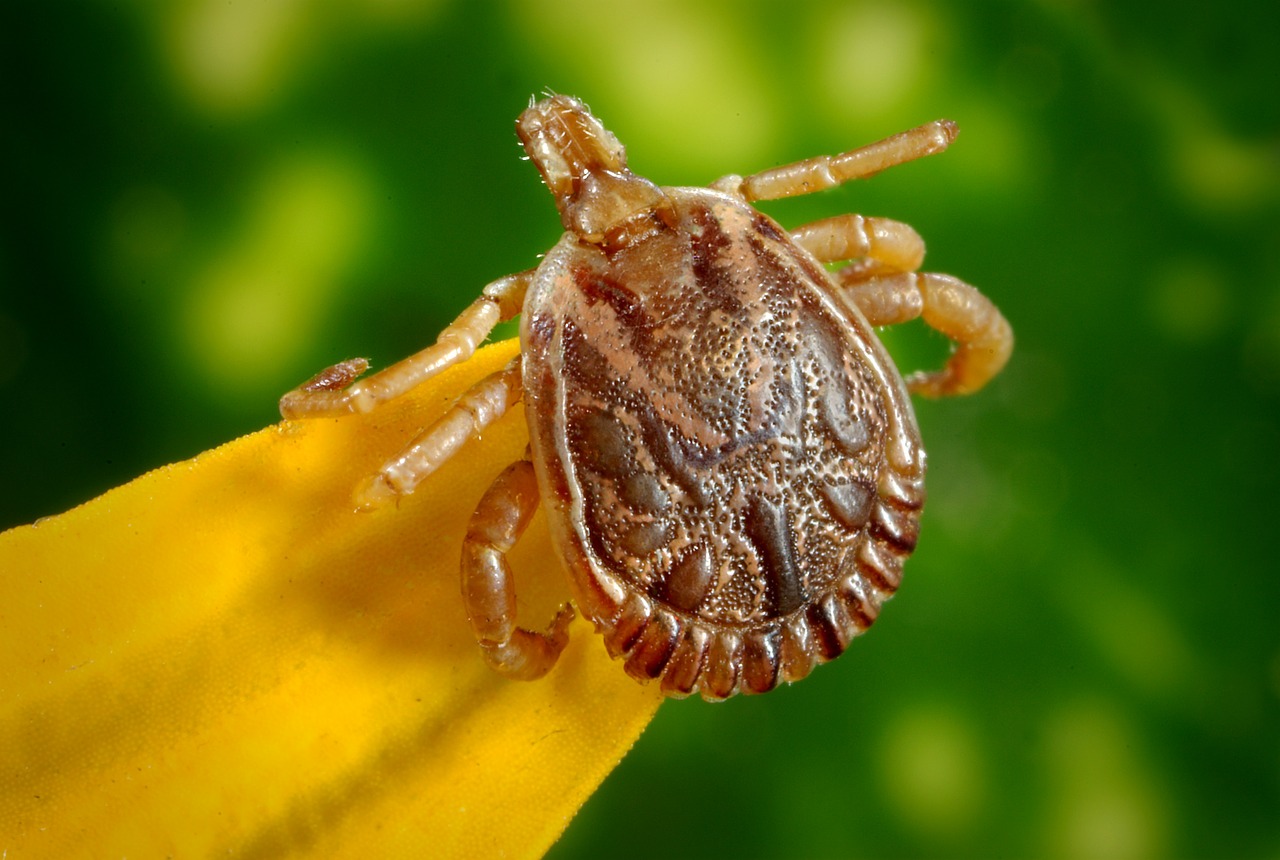
Most people have heard of Lyme disease, a serious and debilitating bacterial infection that can affect humans and animals alike. Since we love our pets like children, we invariably want to do everything in our power to keep our cherished animals as safe from harm as possible by protecting them from illness and disease wherever possible. Fortunately, with the right treatments and precautions, Lyme disease is entirely preventable. Here is everything you need to know about Lyme disease, and how to prevent your pet from being affected.
The transmission of Lyme disease
Lyme disease is spread through the bite of an infected tick. Ticks are small, wingless creatures that primarily live in long grasses, shrubs and woodland where they lie in wait for their next meal to wander past. When your pet brushes by, the tick quickly climbs onto their body and burrows down in their fur to find a blood source close to the skin. The tick bites down and feeds, and as it does so, transmits the disease to their new host.
How to prevent Lyme disease from affecting your pet
As we know, there are a number of different things that you can do to protect your pet from ticks and keep a potential Lyme disease infection at bay.
Check your pet for ticks regularly and remove them quickly
It is a common misconception that a tick transmits a disease the moment it bites your pet, but this is rarely true. In most cases, including Lyme disease, it can take up to 72 hours for the bacteria to be passed from tick to host. Immediate removal may spare your pet from transmission.
If you spot any sort of tick on your pet, the faster you can remove it the less likely it is to have chance to pass any disease it might be carrying on to your pet. Run your hands carefully over her body, feeling for any unusual lumps or bump. Ticks start off small, but often grow as they feed which makes them easier to spot.
Remove it carefully using clean tweezers or a tick twister tool and drown the bug in rubbing alcohol.
Ticks tend to live in wooded, grassy areas. Therefore, it is especially pertinent to check your pet for any signs of the creatures after time outside, such as a long walk or hike. Nevertheless, ticks can live in your yard too so daily assessments are optimal.
Use tick preventative treatments
There are a variety of different medications and treatments designed specifically to protect animals from parasites, including ticks. These come in many different forms, including:
Oral medications
Collars
Spot-on treatments
Shampoos
Dips
Sprays
It is essential that you consult with your vet about the right product for your pet, as the wrong dosage could cause illness. Ensure you take note of how long each preventative is active so that you can schedule further treatments and keep your pet protected all year around.
In addition, Lyme vaccines are given to dogs that are at high risk for tick exposure. These vaccines provide further protection in the event that a preventative is missed or is not as effective in preventing tick bites.
If you would like further advice on the best way to protect your pet from Lyme disease, speak to our veterinarian.



© 2026 Zionsville Pet Wellness Clinic - All Rights Reserved - Sitemap
